Every Minute Matters: How AEDs Save Lives in the Workplace
First Aid Services
 2 months ago
Sudden cardiac arrest can happen anywhere, including the workplace. It can affect employees, customers, vendors, or visitors without warning. When it happens, your response in the first few minutes can save a life.
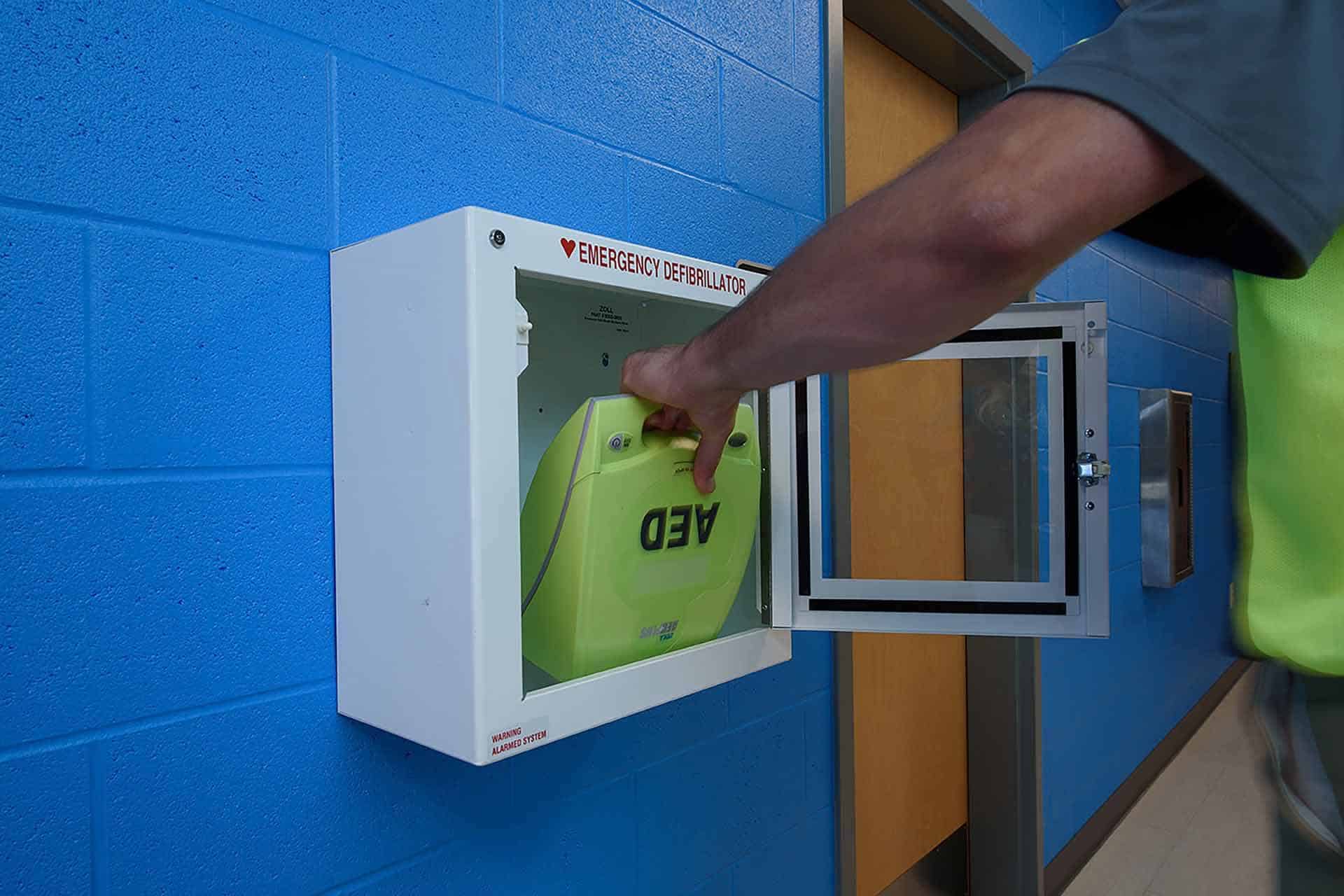
That’s why Automated External Defibrillators (AEDs) play such an important role in workplace safety. At Wildman, we help businesses take a proactive approach to emergency readiness with dependable safety solutions and support.
What Is An AED?
An AED is a portable device that checks a person’s heart rhythm and delivers a shock if it detects a life-threatening rhythm.
Wildman’s AEDs are designed to help anyone respond quickly and confidently in an emergency. They provide clear, step-by-step voice prompts so bystanders can take action fast; something not all AEDs offer.
We intentionally carry AEDs that deliver real-time feedback and coaching during CPR, helping guide rescuers in the moment and improving the chances of a successful outcome.
Sudden cardiac arrest:
- Stops the heart from pumping blood effectively
- Cuts oxygen to the brain within minutes
- Requires immediate CPR and defibrillation for the best chance of survival
…and that’s where AEDs help!
Every Minute Counts
During sudden cardiac arrest, time matters more than anything else. The longer someone waits for help, the lower their chance of survival becomes. Even the best emergency responders can’t beat a faster on-site response. A workplace AED program turns panic into lifesaving action.
When your team can access an AED quickly, you can:
- Reduce the time to defibrillation
- Improve emergency response outcomes
- Give someone immediate support before EMS arrives
Every Workplace Needs An AED
People often think cardiac emergencies only happen in hospitals or to people with known heart conditions. In reality, sudden cardiac arrest can happen without warning during a normal workday.
Workplaces benefit from AED access because:
- Employees spend a large portion of their day on-site
- Large buildings slow down emergency response time
- Physical jobs increase exertion and risk
- Public-facing businesses welcome visitors daily
Where AEDs Should Be Located
AED placement affects how well your emergency first aid program works. If employees can’t reach an AED quickly, it won’t help as much as it should.
Good placement areas include:
- Main entrances and reception areas
- Breakrooms and shared spaces
- Near first aid kits or safety stations
- Warehouse entrances and production areas
- High-traffic hallways
Make sure employees know where AEDs are located and use clear signage.
What A Strong Workplace AED Program Includes
An AED alone won’t create a complete safety plan. Your workplace needs a program that supports readiness every day, not just during an emergency.
A strong AED program includes:
- A clear placement plan and easy access
- Routine inspections and readiness checks
- Replacement pads and batteries as needed
- Posted emergency response instructions
- Employee CPR and AED training opportunities
When you build a complete plan, your team can respond with confidence.
AED Maintenance: Don’t Skip It!
AEDs require basic upkeep to stay ready. Pads expire. Batteries lose charge. Emergency supplies need restocking. If you ignore maintenance, your AED may not work when you need it most.
To stay ready, your workplace should:
- Check the device status indicator routinely
- Track pad and battery expiration dates
- Keep the AED visible and accessible
- Document checks and restock supplies quickly
- Work with a partner (like Wildman!) to handle these for you
Wildman Supports AED Readiness
Wildman helps businesses strengthen workplace safety with the products and support they need to stay prepared. If you want to improve your safety program, AED readiness offers a simple and powerful step forward.
When you work with Wildman, you get support that helps you build a safer workplace for everyone on-site.
Take Action Now Because Every Minute Matters
Sudden cardiac arrest doesn’t wait for a convenient time. Your workplace response plan needs to work fast, every time. When you place AEDs strategically and keep them ready, you protect lives and support a stronger safety culture.
Ready To Improve Your Workplace Safety?
Wildman helps businesses build emergency readiness with reliable safety solutions and support. Contact our team today to learn more about workplace AED programs and how to strengthen your response plan.
Frequently Asked Questions
What does an AED do?
An AED checks heart rhythm and delivers a shock when it detects a dangerous rhythm. Some AEDS, such as the ones Wildman offers, guide users with voice prompts to increase the chances of saving a life.
Do AEDs require medical training to use?
No. AEDs include clear instructions, and anyone can use them. Training can be helpful to improve speed and confidence.
How many AEDs does a workplace need?
Your building size and layout determine the number. Many workplaces aim for quick access from anywhere on-site.
How often should AEDs be checked?
AEDs should be inspected once a month to ensure they’re ready when needed. It’s also important to monitor battery and pad expiration dates so everything stays up to date and fully functional. This is part of what Wildman provides through our AED lease program.
About: Wildman
You May Be Interested In:

First Aid Refill Programs: Why “Set It and Forget It” Isn’t Always Safe
4 weeks ago by Wildman
Prevent 5 Common Workplace Injuries With The Right First Aid Supplies
2 months ago by Wildman

Cascade Engineering Improves Safety and Efficiency with Wildman
6 months ago by Wildman

Wildman’s Safety Solutions Help Protect Your Workforce from Workplace Hazards
8 months ago by Wildman