Emergency Preparedness At Work: Beyond First Aid Kits And Fire Drills
First Aid Services
 4 months ago
When most people think about workplace emergency preparedness, they picture a stocked first aid kit hanging on the wall or employees gathering outside during a fire drill. While those tools and exercises matter, true preparedness goes much deeper.
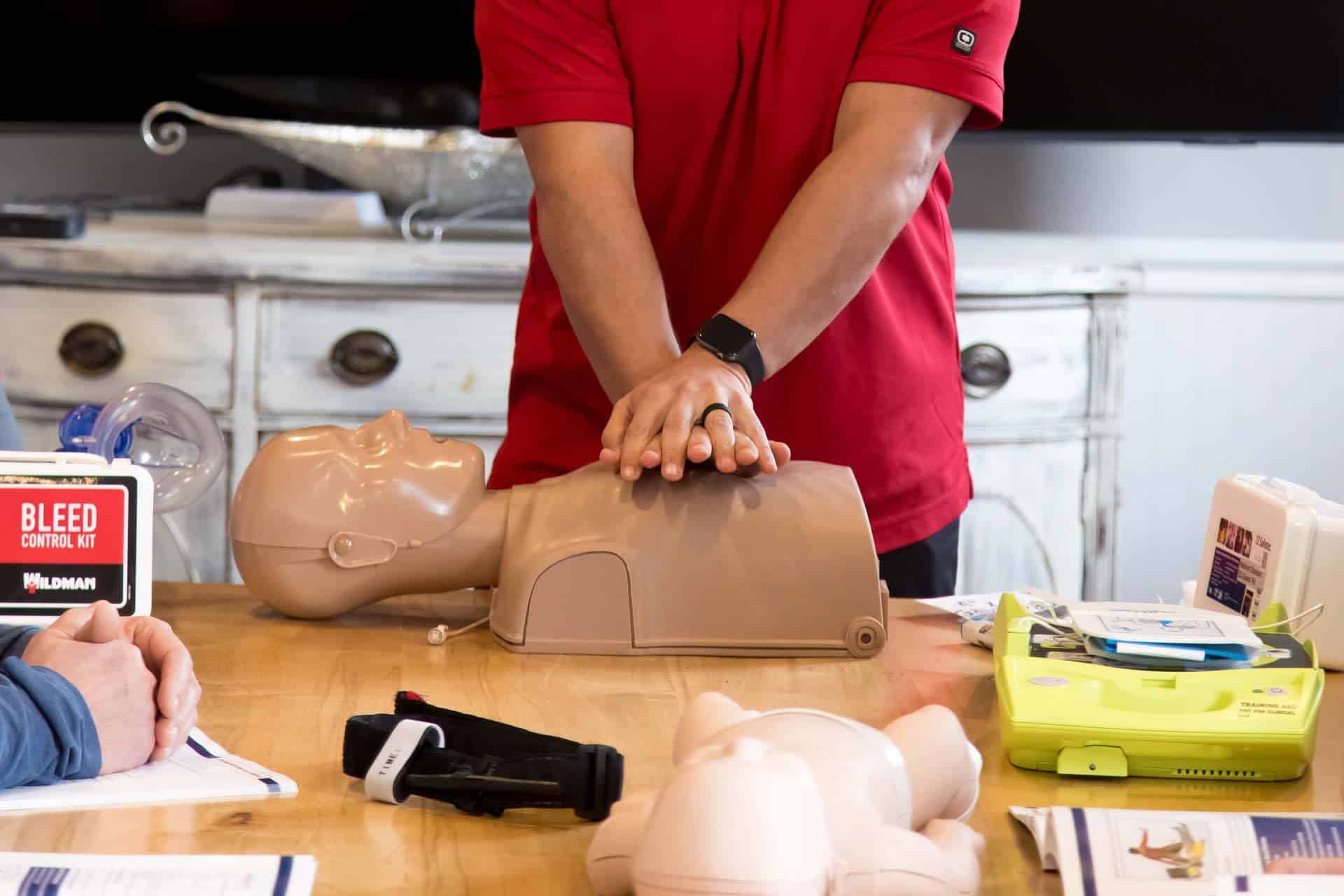
Emergencies don’t always arrive with warning signs. Severe weather, medical emergencies, power outages, chemical spills, workplace violence, and equipment failures can disrupt operations in seconds. Businesses that plan ahead can protect their employees, minimize downtime, and respond with confidence when the unexpected happens.
We believe workplace safety starts with preparation. The organizations that build a strong safety culture don’t just react to emergencies. They prepare for them every day through training, planning, and the right safety resources.
Wildman helps businesses create safer workplaces through first aid programs, AED solutions, PPE, and compliance-focused safety services.
Why Workplace Emergency Preparedness Matters
A workplace emergency can affect employee safety, business continuity, customer confidence, and regulatory compliance. Without a clear plan, confusion often replaces action.
Effective workplace emergency preparedness helps businesses:
- Protect employees and visitors
- Reduce injuries and property damage
- Improve response times during critical situations
- Support regulatory compliance efforts
- Maintain business operations after an incident
The goal isn’t to eliminate every risk. The goal is to ensure your team knows exactly what to do when an emergency occurs.
Common Workplace Emergencies Businesses Should Plan For
Every workplace faces unique risks, but most organizations should prepare for several common scenarios:
Medical Emergencies
Cardiac events, severe injuries, allergic reactions, and other medical incidents require immediate action. Employees should know where first aid supplies and AEDs are located and who has training to assist during an emergency.
Wildman offers first aid programs and AED solutions that help businesses and organizations prepare for these critical moments.
Severe Weather
Tornadoes, thunderstorms, floods, and winter storms can create dangerous conditions with little notice. A clear shelter plan and communication strategy help employees stay safe during weather-related emergencies.
Fire And Evacuation Events
Fire drills remain important, but businesses should also establish evacuation routes, accountability procedures, and designated emergency coordinators.
Chemical And Environmental Hazards
Manufacturing facilities, laboratories, and industrial workplaces often face additional risks from chemicals and hazardous materials.
Eyewash stations, PPE, and emergency response procedures play a critical role in protecting workers.
Power and Utility Failures
Power outages can impact equipment, communications, security systems, and employee safety. Businesses should identify backup procedures before an outage occurs.
Five Ways to Strengthen Workplace Emergency Preparedness
1. Conduct a Risk Assessment
Start by identifying the hazards most likely to affect your workplace. Consider your facility, equipment, workforce, and geographic location. A customized preparedness plan works better than a generic one.
2. Train Employees Regularly
A written emergency plan won’t help if employees don’t understand it. Regular training builds confidence and improves response times. CPR, first aid, AED, and emergency response training equip employees with practical skills they can use during real emergencies.
Wildman’s certified safety training programs help businesses build a stronger safety culture through education and preparedness.
3. Keep Emergency Supplies Ready
Emergency supplies should remain accessible, organized, and fully stocked. First aid cabinets, AEDs, eyewash stations, and PPE all support a faster and more effective response.
Wildman helps businesses maintain these critical resources through customized safety programs and restocking services.
4. Establish Clear Communication Procedures
During an emergency, communication becomes one of your most valuable tools. Employees should know who to contact, where to receive updates, and how to report incidents.
5. Review and Update Plans Frequently
Workplaces change. New equipment, facility expansions, staffing changes, and evolving risks can create new challenges. Review emergency plans regularly to ensure they remain effective and relevant.
Emergency Preparedness Creates A Strong Safety Culture
Emergency preparedness isn’t just about responding to crises. It creates a workplace culture where employees understand safety expectations, recognize hazards, and take an active role in protecting one another.
Businesses that invest in preparedness often see benefits beyond emergency response. They build confidence, improve safety awareness, and demonstrate a commitment to employee well-being.
Partner With Wildman For Workplace Safety Solutions
Emergency preparedness requires more than checking a box. It takes planning, training, equipment, and ongoing support.
Wildman helps businesses create safer workplaces with customized first aid programs, AED solutions, safety training, PPE, eyewash stations, and compliance-focused safety services. Whether you’re strengthening an existing safety program or building one from the ground up, our team can help you prepare for whatever comes next.
Ready to improve your workplace emergency preparedness? Contact Wildman today to build a customized safety program that protects your employees and supports your business.
Button: Get Started
Frequently Asked Questions
What is workplace emergency preparedness?
It is the process of planning, training, and equipping employees to respond effectively to emergencies such as medical incidents, fires, severe weather, power outages, and hazardous material events.
Are first aid kits enough for workplace safety needs?
First aid kits provide essential supplies, but businesses also need employee training, emergency communication plans, evacuation procedures, AED access, and risk-specific response strategies to handle emergencies effectively.
How often should businesses review emergency preparedness plans?
Most organizations should review their plans at least annually and whenever significant workplace changes occur, such as facility expansions, equipment upgrades, or staffing changes.
What emergency supplies should every workplace have?
The right supplies depend on your industry and risks, but many workplaces benefit from first aid kits, AEDs, eyewash stations, PPE, emergency contact information, and evacuation maps.
About: Wildman
You May Be Interested In:

Seasonal Safety Checklists: Preparing Your Workplace for Weather-Related Risks
3 months ago by Wildman

First Aid Refill Programs: Why “Set It and Forget It” Isn’t Always Safe
7 months ago by Wildman

How To Build A Proactive Workplace Safety Culture
8 months ago by Wildman
Prevent 5 Common Workplace Injuries With The Right First Aid Supplies
8 months ago by Wildman